27 August 2026
Outback Queensland unveils bold vision for the future of the region’s visitor economy
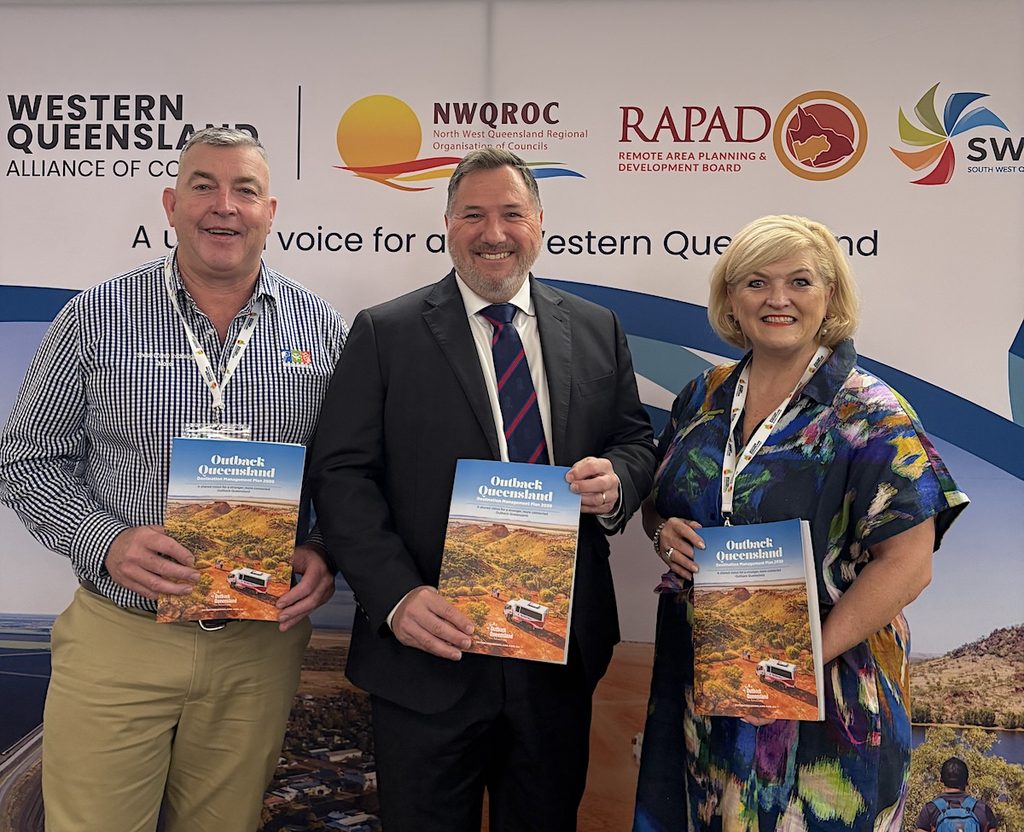
The Outback Queensland Tourism Association (OQTA) has today launched the Outback Queensland Destination Management Plan 2030, setting a bold and collaborative direction for the future of tourism across one of Australia’s most iconic and distinctive regions.
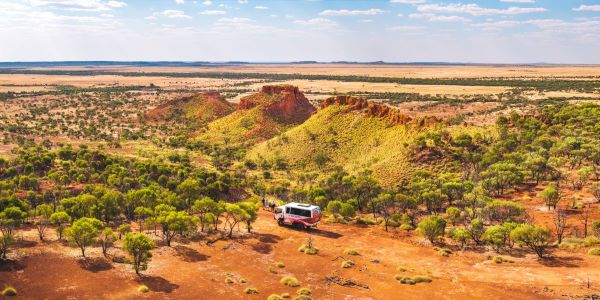
Covering almost 68 per cent of Queensland across five diverse sub-regions and 19 local government areas, the plan provides a shared roadmap for sustainable growth of the Outback Queensland visitor economy through to 2030.
Developed in alignment with the Queensland Government’s Destination 2045: Delivering Queensland’s Tourism Future, the plan recognises tourism as a key driver of economic diversification, community resilience, regional liveability and long-term prosperity.
OQTA Chair Cr Shaun “Zoro” Radnedge said the plan was an important step forward for the entire region and provided a clear opportunity to unite communities, industry and government around a shared vision.
“Outback Queensland has always been defined by its resilience, character and strong sense of community, and this plan reflects those qualities,” Cr Radnedge said.
“This is not a plan for OQTA alone. It is a plan for our entire region – for our communities, tourism operators, local governments, Traditional Owners and regional partners. Its success will come from working together and making sure the opportunities identified translate into real benefits on the ground.
“We have an extraordinary destination. From our pioneering history and dinosaur discoveries to our national parks, dark skies, iconic events, drive journeys and authentic country communities, there is an enormous story to tell.
“The Destination Management Plan gives us a framework to build on these strengths, address the challenges of distance and connectivity, attract investment and ensure tourism continues to contribute to strong, liveable and resilient communities right across Outback Queensland.”
OQTA CEO Denise Brown said the plan provided a practical framework for turning the region’s significant tourism potential into sustainable growth.
“This is far more than a tourism strategy – it is our shared roadmap for the future of Outback Queensland’s visitor economy,” Ms Brown said.
“We know visitors are increasingly seeking authentic, experience-led travel, and Outback Queensland is uniquely positioned to deliver experiences that simply cannot be found anywhere else.
“Our challenge is to convert the extraordinary awareness we already have into visitation, longer stays and greater visitor value. The plan gives us a clear direction to do that through stronger storytelling, better connectivity, more bookable experiences, investment, events and a stronger, more unified destination brand.”
“Importantly, growth must be balanced with stewardship. The landscapes, culture, heritage and communities that make Outback Queensland special are our greatest tourism assets, and protecting them is fundamental to our future success.”
The DMP establishes a clear vision to position Outback Queensland as the number one destination of choice for Australian Outback experiences and holidays.
Six strategic objectives provide the pathway to achieving this vision:
- Ecotourism – protect what makes the Outback unique while unlocking sustainable growth
- Events – use events as catalysts for visitation, regional dispersal and community benefit
- Connectivity – make the Outback easier, safer and more accessible
- Experiences – deliver iconic, bookable and authentic experiences
- Brand – build a confident, unified and distinct Outback identity
- Industry – build capability and capacity for collaboration and success.
The plan identifies significant opportunities across the region’s established strengths, including history and heritage, palaeotourism and dinosaurs, natural landscapes, events and drive tourism, while also highlighting emerging opportunities in First Nations tourism, agritourism, wellness, food and beverage and dark sky tourism.
The plan also recognises that achieving sustainable growth will require continued investment in infrastructure, transport and digital connectivity, alongside stronger industry capability and collaboration.
Ms Brown said the plan provided a strong platform for advocacy and investment.
“Now it’s about bringing the region together behind that ambition and ensuring Outback Queensland has the investment, infrastructure, experiences and industry capability needed to realise its full potential.”
ENDS
Media enquiries
Denise Brown
CEO
Outback Queensland Tourism Association